The Council of Nicea and Constantinople are both significant because one must take note that even now, there are still controversies concerning the faith which were outgrowths of the heresies they condemned. For instance, some orthodox groups still confuse between persons of the Trinity and even alleged Christian sects like the Iglesia ni Cristo and MGCI (Ang Daing Daan) perpetuates such confusion.
The council did not fully resolve this Christological debate. Some members of the early church came to a semi-Arian view that the Father and the Son are merely similar (homoios kat’ energeian). There were also those who questioned the divinity of the Holy Spirit (the Pneumatomachians). Apollinarius, a bishop from Syria, in trying to defend the full divinity of Jesus, taught that Christ had a human body but the mind or the conscience was taken over by God (Apollinarism).
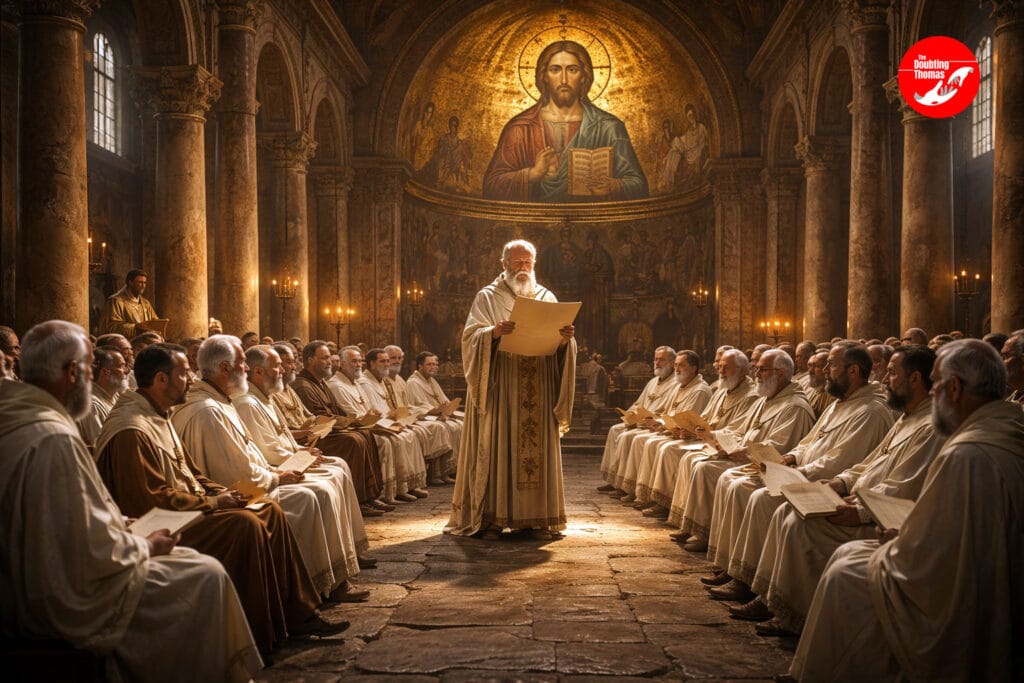
Consequently, in 381 AD, in Constantinople (Istanbul), another council was convened. The council naturally condemned the teachings of Apollinarius and of the Pneumatomachians. It reaffirmed the Nicean doctrine and made clear the nature of the Father, the Son and the Holy Spirit according to the Scriptures, as one God and three Persons, as what we get to proclaim in today’s Nicene Creed.