
- All
- Alta Vendita
- Angels
- Apostles
- Archangels
- Catechism
- Christmas
- Church Doctors
- Co-Redemptrix
- Councils
- Covid19
- Defend Tradition
- Dogma
- Eucharist
- Feast Day
- Feminism
- Freemasonry
- Hagiography
- Heresy
- Holy Rosary
- Latin Mass
- Lent
- Lipa Apparition
- Marian Apparition
- Mariology
- Martyrs
- Meditation
- Miracle
- Modernism
- Nana Masay
- Others
- Pandemic
- Parables
- Philosophy
- Popes
- Prayers
- Priesthood
- Prophecy
- Protestantism
- Sacrament
- Sacramental
- Saints
- Scapular
- Science
- Symbolism
- Tradition
- Vatican II
The phenomenal growth and unyielding energy of Islam present a profound challenge to modern Christendom. Today, many within the Church, clinging to a foolish notion of unconditional ecumenism, seek to embrace Islam as a sibling faith of peace. Yet, a discerning examination of history and theology reveals a totalizing geopolitical ideology built upon conquest, profound theological contradictions, and an aggressive stance toward the Cross. A true Catholic is mandated by Christ to nurture unconditional love and pray for the conversion of enemies; however, the Islamic fundamentalist is bred to harbor unconditional hatred toward infidels. To practice naïve ecumenism with an ideology that fundamentally seeks the subjugation or annihilation of Christianity is not only impractical—it is spiritual suicide.
The phenomenal growth and unyielding energy of Islam present a profound challenge to modern Christendom. Today, many within the Church, clinging to a foolish notion of unconditional ecumenism, seek to embrace Islam as a sibling faith of peace. Yet, a discerning examination of history and theology reveals a totalizing geopolitical ideology built upon conquest, profound theological contradictions, and an aggressive stance toward the Cross. A true Catholic is mandated by Christ to nurture unconditional love and pray for the conversion of enemies; however, the Islamic fundamentalist is bred to harbor unconditional hatred toward infidels. To practice naïve ecumenism with an ideology that fundamentally seeks the subjugation or annihilation of Christianity is not only impractical—it is spiritual suicide.
The phenomenal growth and unyielding energy of Islam present a profound challenge to modern Christendom. Today, many within the Church, clinging to a foolish notion of unconditional ecumenism, seek to embrace Islam as a sibling faith of peace. Yet, a discerning examination of history and theology reveals a totalizing geopolitical ideology built upon conquest, profound theological contradictions, and an aggressive stance toward the Cross. A true Catholic is mandated by Christ to nurture unconditional love and pray for the conversion of enemies; however, the Islamic fundamentalist is bred to harbor unconditional hatred toward infidels. To practice naïve ecumenism with an ideology that fundamentally seeks the subjugation or annihilation of Christianity is not only impractical—it is spiritual suicide.
The phenomenal growth and unyielding energy of Islam present a profound challenge to modern Christendom. Today, many within the Church, clinging to a foolish notion of unconditional ecumenism, seek to embrace Islam as a sibling faith of peace. Yet, a discerning examination of history and theology reveals a totalizing geopolitical ideology built upon conquest, profound theological contradictions, and an aggressive stance toward the Cross. A true Catholic is mandated by Christ to nurture unconditional love and pray for the conversion of enemies; however, the Islamic fundamentalist is bred to harbor unconditional hatred toward infidels. To practice naïve ecumenism with an ideology that fundamentally seeks the subjugation or annihilation of Christianity is not only impractical—it is spiritual suicide.
The phenomenal growth and unyielding energy of Islam present a profound challenge to modern Christendom. Today, many within the Church, clinging to a foolish notion of unconditional ecumenism, seek to embrace Islam as a sibling faith of peace. Yet, a discerning examination of history and theology reveals a totalizing geopolitical ideology built upon conquest, profound theological contradictions, and an aggressive stance toward the Cross. A true Catholic is mandated by Christ to nurture unconditional love and pray for the conversion of enemies; however, the Islamic fundamentalist is bred to harbor unconditional hatred toward infidels. To practice naïve ecumenism with an ideology that fundamentally seeks the subjugation or annihilation of Christianity is not only impractical—it is spiritual suicide.
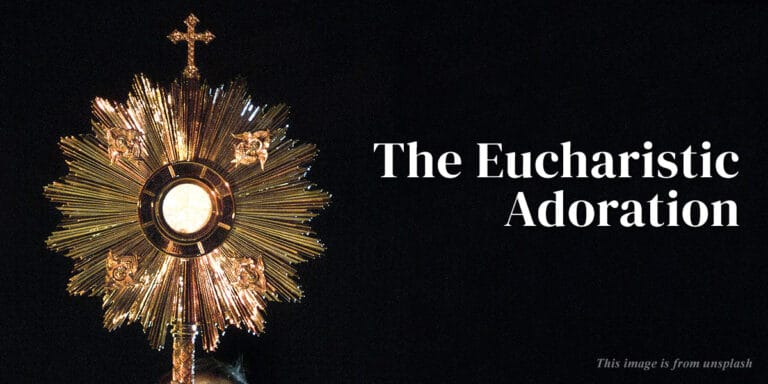
During the time of our Lord here on Earth, many people saw, talked to, and touched Him, especially His Mother and His Apostles. While most of us today want to see Him personally, only a few of us are aware that we already have that experience when we receive Him during Holy Communion. Our Lord instituted the Holy Eucharist during the first Mass, known as the Last Supper. When we are in front of the Eucharist, it's important to show reverence by kneeling and praying, as our Lord is in front of us.
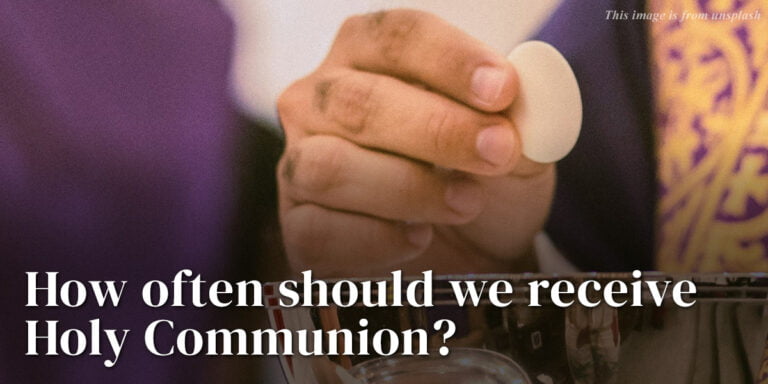
During the Last Supper, our Lord commanded His Disciples “This is my body, which is given for you. Do this for a commemoration of me.” (Luke 22:19). Following His commandment, the Apostles celebrated Holy Mass and gave communion to the faithful. It is very important because Christ promises that those who eat His flesh (Sacred Host) and drink His blood shall have everlasting life. Our Lord Jesus Christ is presented to us in the form of Bread, the Holy Eucharist, each time we attend Mass. But how often should we receive Holy Communion?
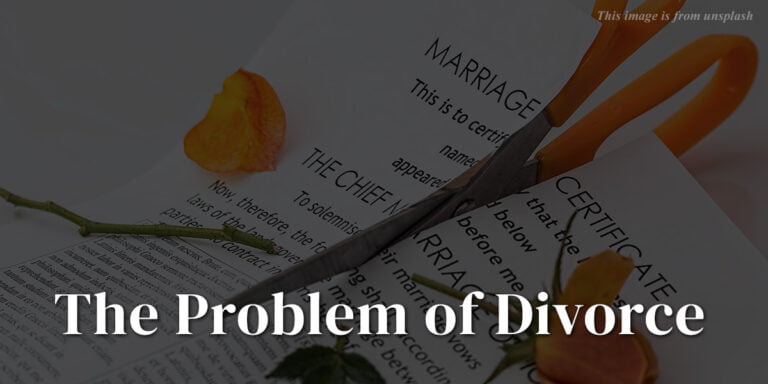
Couples who are in love and don't want to be separated decide to get married so they can live together for eternity until death. They receive the Sacrament of Matrimony while standing side by side in front of the Altar of the Lord. As Christ's enemies gradually gain power and politics get involve to create Laws against God and His church, one of them is divorce.
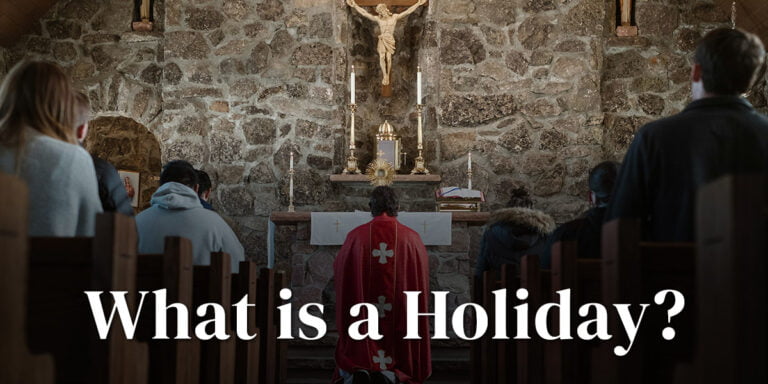
Holiday is a special day when a country or place celebrates by cancelling work or classes for the day. It is derived from the ancient English term hāligdæg, which translates to Holy Day. Originally, this was a religious dedication, specifically by the Catholic Church, which was known as Precepts or Holy Days of Obligation. The church observed a special feast where the faithful were obligated to refrain their work to honor God, the Blessed Virgin Mary or the saints through procession, prayer, and fasting.
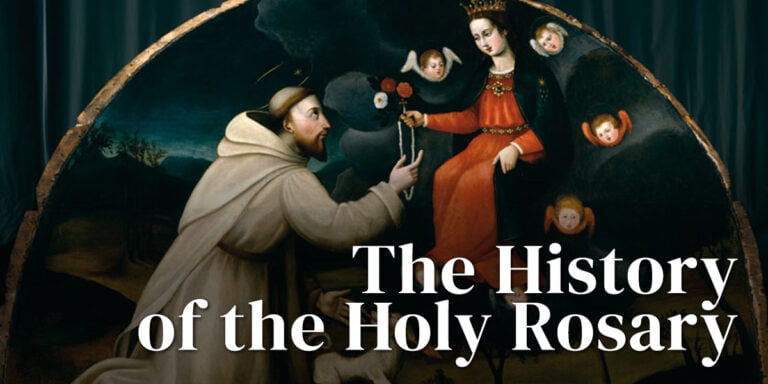
The Holy Rosary is the most commonly used prayer of Catholics in the world. It comes in second to the Holy Mass. During prayer, one would use rosary beads with a Crucifix while kneeling in front of the altar in church, chapel, or at home. Prayer was often led by a priest, deacon, nun, lay people in church, or any family member at home.
Many teachings of the Catholic faith came from Sacred Tradition or Oral Tradition, it was passed down through words of Our Lord Jesus Christ to the Apostles, to the church fathers and the next generations with the guidance of the Holy Spirit. The other one came from Sacred Scriptures, which we all know as the Holy Bible.
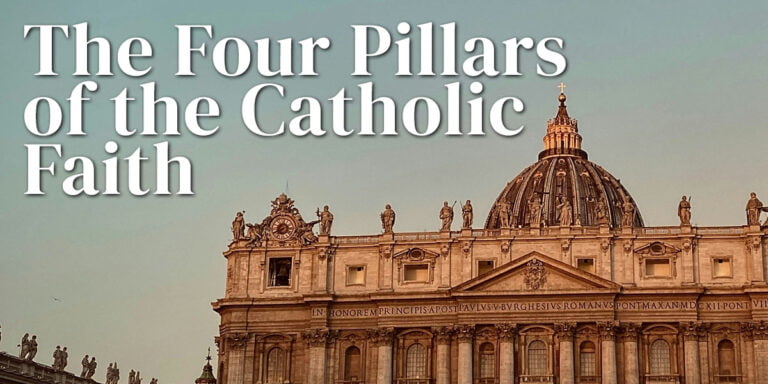
As Catholics, we must know the basic knowledge of our faith. It is important to teach this to our brethren, children and to the next generations. In Basic Catechism, we first learn the Four Pillars of Catholic Faith and it is the main focus on the Catechism of the Church from the Council of Trent and by Pope St. Pius X.