The reverence accorded by the Iglesia Filipina Independente co-founded by Isabelo de los Reyes and Gregorio Aglipay was historically understandable because during the Philippine Revolution, the heroic Filipinos also found some of the foreign Catholic authorities, particularly, the Spaniards, abusive and are not actually pious in their religious duties. Hence, as it happened in England, patriotism became the basis for church governance.
It would naturally follow that all Catholic assets under Roman governance had to be transferred or sequestered by a new religious polity. Thus, what happened to the Anglican Church with Henry VIII who ironically earned the epithet of “Defender of the Faith” before his womanizing got the better of him, also happened in the Philippines. What used to be assets of the Roman Catholic Church were taken over by the Filipino revolutionists and the resulting church polity became known as the Aglipayan Church.
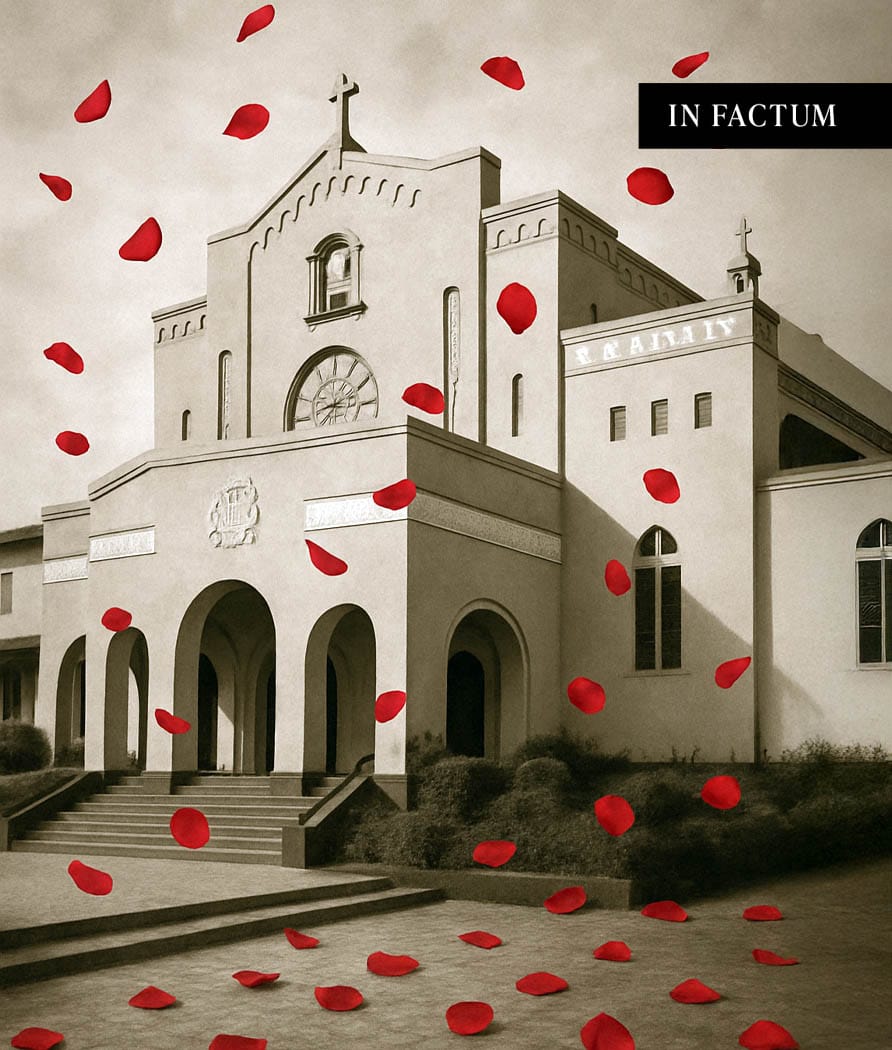
Therefore, even before the official establishment of the Philippine independent Church, some of the churches especially in places where the influence of Gregorio Aglipay grew, churches were officially taken over including everything therein in terms of property. This happened also in the town of Botolan where the revolutionists killed Fr. Julian Jimenez, the parish priest and official caretaker of the already famous Apu Apang or the Ina Poon Bato.
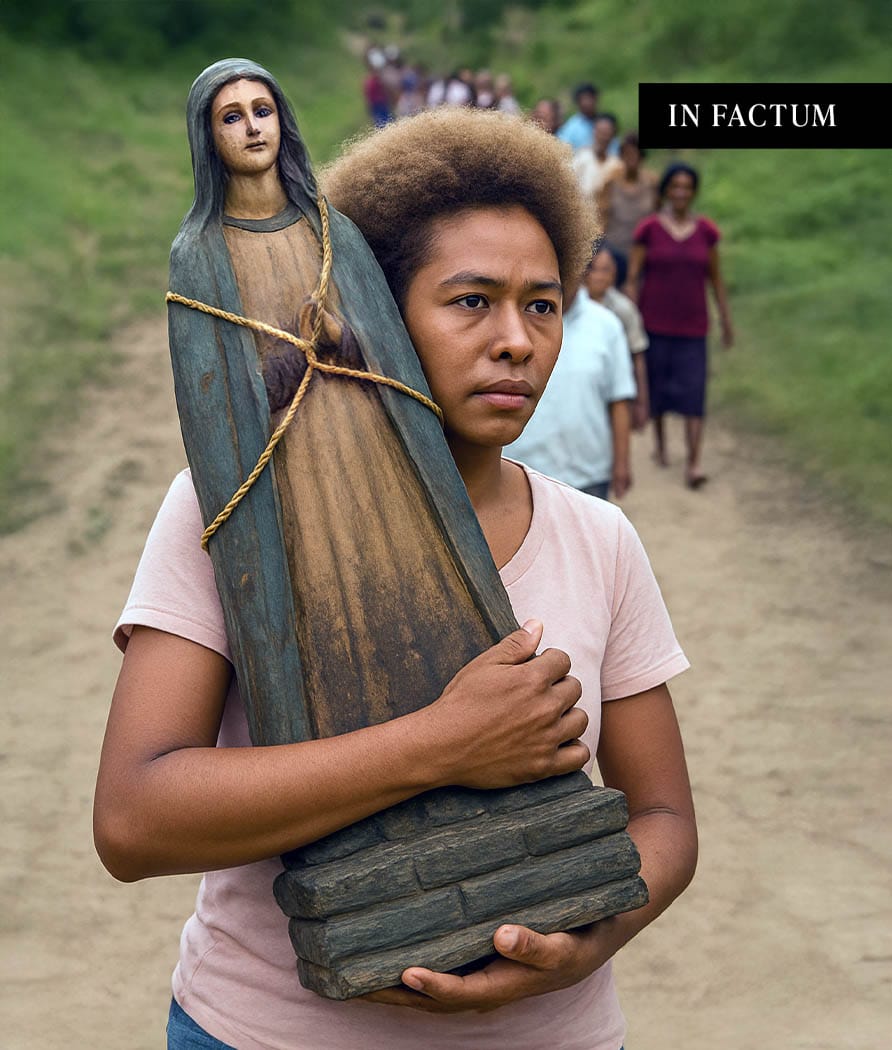
The Ina Poon Bato is a mystical image of Our Lady who was found by a renowned Aeta hunter by the name of Djadig (in other accounts, Dyanig). As a hunter he would always have some game to bring home for his wife to cook but during the day of the apparition, the forester heard the melodious voice of a woman calling him to find him. Following her voice, he finally saw the lady on top of a tall rock formation which he climbed with some difficulty. Reaching the top, he found the Lady gone but found instead an image of her likeness and that was then that the voice asked him to take her (the image) home. The hunter’s wife was waiting when he came home expecting something she would cook for their family. She had in fact, readied the fire on the hut’s hearth but he had nothing but a wooden image of woman. Furious, she threw the fire into the hearth and some of the embers spread starting a fire which consumed their hut. To the great amazement of the village people the image stood on the middle of the hearth untouched by the fire. That was the only time they allowed Djadig to tell the story of how he acquired the image.
Starting that time, the Aetas started their reverential relationship with the Lady who they called Apu Apang. The miraculous Lady of the Aetas became like their mother for them as they would ask her for anything they need living poor on the mountains with only God’s providence to help them in their dire need. Then in 1607, when the first Augustinian missionaries came to Zambales (in other accounts, the Dominicans, for even Apu Apang’s story had to suffer politics), they found it easy to preach the faith to the natives. The Aetas upon seeing other images or pictures of Our Lady would easily kneel or prostrate themselves inn reverence and refer to her as Apu Apang. Some of them who became very curious investigated further why it was easy for them to teach the faith to the natives who should have resisted much as they were animistic. This was how the friars discovered the image which has the likeness of Nuestra Senora de la Paz y Buenviaje (Our Lady of Peace and Good Voyage).
Now, this is the same image which was sequestered by the Aglipayans to grace their church in Botolan. Much later, long even after the American pacification of Luzon, representatives from the Catholic Church asked to see it again. Then, they have a replica made with the same flowing hair as the original. The replica commissioned by Rev. Fr. Patrick Duggan made by sculptor Maximo Vicente was given the Episcopal coronation on Jan. 23, 2013 under the auspices of the Catholic Church. Another replica was commissioned by Mother Therese Vicente of the Holy Face of Jesus, as a pilgrim image so as more people will be blessed by her and this was granted the blessing of Bishop Henry Byrne. Both images are known for the miracles they brought to devotees.
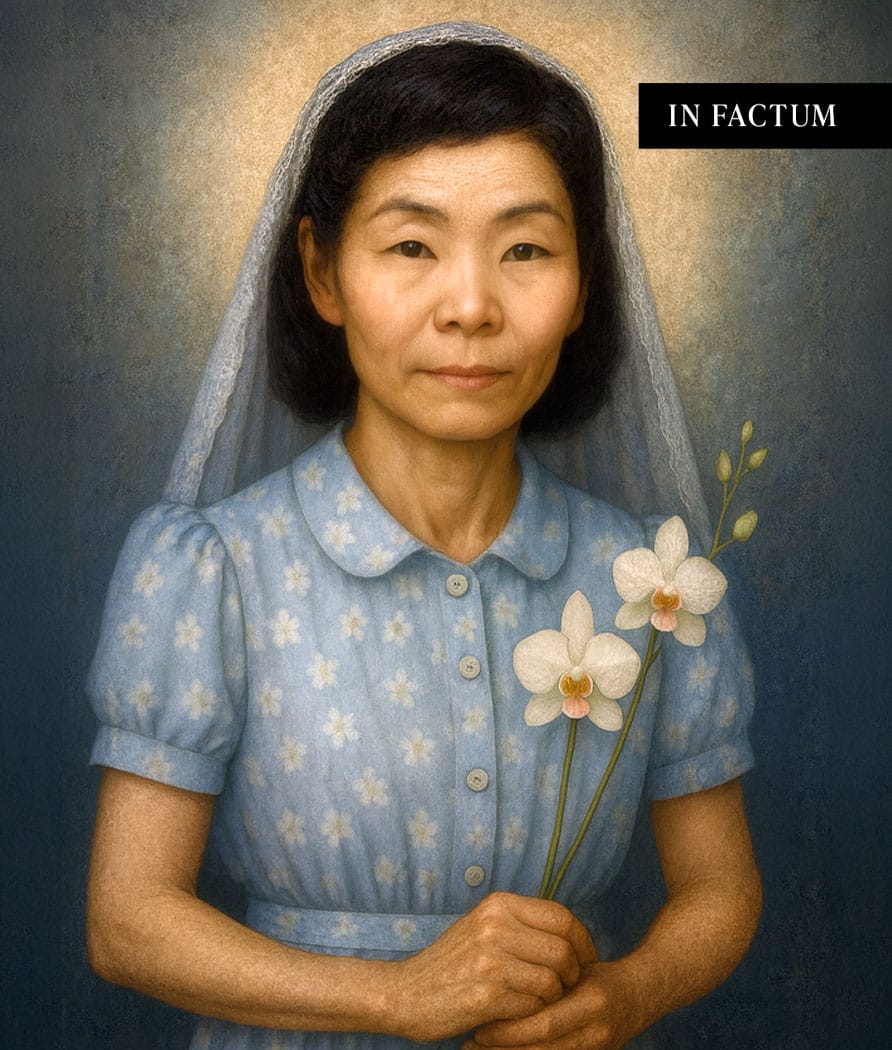
Now, going back to my original premise that it is not only the Catholic Church and the Aglipayan Church which treat the Ina Poon Bato with reverence let me identify the third one claiming to have the third largest in terms of membership among the Christian churches: the Apostolic Catholic Church (ACC), established in 1992, whose founders are mother and son. Presently, I want us to remember that when Jesus Christ established His Church, He had no co-founder because not even the Virgin Mary claim that she is a co-founder. Apparently, as social media presents it, ACC was founded by Dr. John Florentine Teruel and his mother, Maria Virginia Penaflor Leonzon both canonized saints of their church.
John Florentine the first Presbyter Patriarch canonized his mother, Maria Virginia while the present Presbyter patriarch, Juan Almario E.M. (Elvis Mitra) Calampiano, the successor of John Florentine made him a saint. The ACC has two big churches, namely one in Sacrifice Valley named after the Holy Trinity where their religious carry the cross every holy week and one in Quezon City dedicated to In Poon Bato, their metropolitan cathedral. The church has three orders namely the Order of the Missionaries of the Holy Spirit (OMHS) which include women, and the Order of the Missionaries of John Florentine (OMJF) and the Congregation of St. Maria Virginia.
The ACC was established with the noble plan of uniting Vatican and the Eastern Rite churches. The plan is quite noble that in sense, it is the most ecumenical eventuality that could take place as two churches which was once belonging to one apostolic and universal church merge once more into one. Such unity would be ideal but simply an impossible mission. If indeed it is the Holy Spirit as Ingkong who prompted the Leonzons to establish the ACC, then the mission is not impossible. However, some doubt had to be expressed here since there are telltale signs of chaos in this church. Allow me to express a few of them:
Doubt can be expressed concerning the founders since a) Maria Virginia had wanted to become a nun and her earlier organization (First international Sacrifice Valley Kilusang Katolika) FISVKK had problems with the Catholic church priesthood over its other activities, and b) the first Patriarch himself is sometimes claimed as a former Catholic Bishop when actually he was just an ex-seminarian of the San Jose Seminary. Moreover, it is without delicadeza for the first patriarch to canonize his own mother for obvious reasons.
The first patriarch, John Florentine (christened Florentino) was created a bishop by a hodge podge of bishops from different churches outside the Roman church.
Archbishops, bishops, deacons and other members of the church hierarchy are only designated at the pleasure of the patriarch.
Bonafide members of the church are “protected” and gifted with seals of the “Holy Spirit and enjoy the title of “apo” before their spiritual names which are actually combinations of existing names and surnames familiar in Spanish and Italian nomenclature recalling saints.
Apos or sealed members enjoy spiritual ranks which should only be accorded to spirits such as angelitos, quirubines, serafines, etc. There are also women who enjoy the title nanay Marias.
Spirits that enter church mediums teach or speak questionable things or show unnecessary gestures. One example is the “spirit” of the “Virgin Mary” which claims that she holds a sword “tabak” and is threatening to punish mankind which she addresses as “Tao” because they do not want to change. The threats are repetitious occurring only in one occasion and the voice approximates that of a street demagogue.
The ACC is strangely ecumenical as it claims to have friendly relations with other churches but is explicit in claiming that it is a non-Roman and protestant church. Now, how can it institute reforms within the Western rite church when it has gone outside of it? I remember two great saints who were reformers but unlike Luther and Teruel, they stayed within the church to make the reforms. The patriarch of the ACC should have read and studied the lives of St. Francis of Assisi and St. Dominic de Guzman. He should have finished his studies at the seminary or at least remained a loyal lay brother.