
The Dogmas of the Blessed Virgin Mary Part One – Theotokos
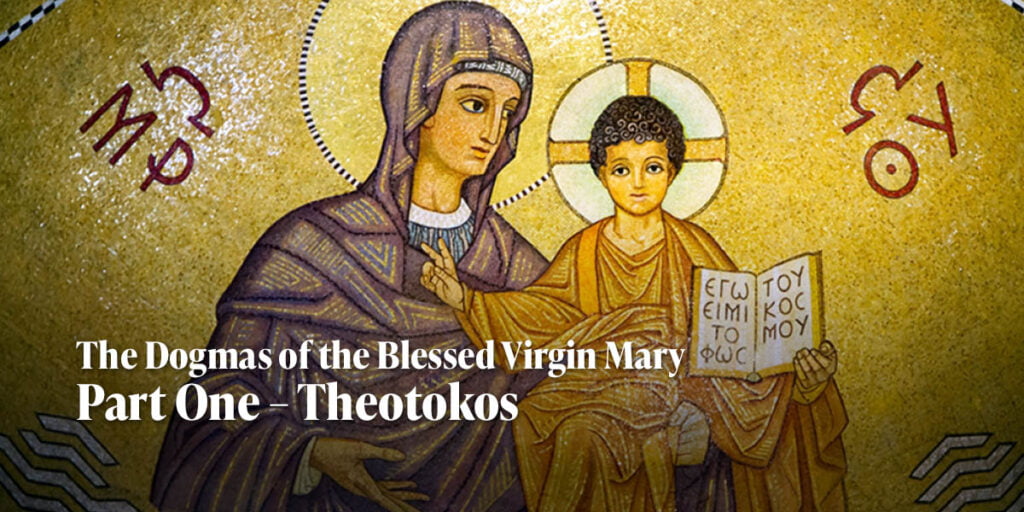
From the beginning, the Blessed Virgin was called Theotokos or the Bearer of God or Mother of God. The word Theotokos comes from the Greek word, which means God-Bearer. Christians valued the term in the early years of the Church. Throughout the Eastern Church, people widely used the term Theotokos.
On the Fifth Century of Philippine Christianity
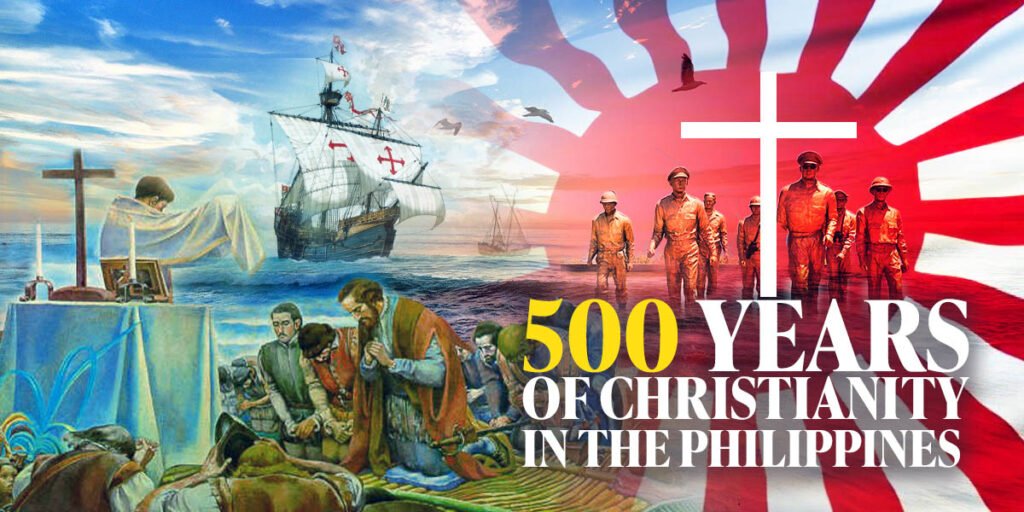
It was about five centuries ago when a sign of contradiction was transplanted in the islands. It was akin to the Byzantine sword brandished by Constantine the Great, whose cruel character as an emperor was transformed into a child Principe Constantino, to escort the representation of Santa Elena. At the same time if one holds the blade (kapit sa patalim), it was the cross of a faith that will triumph in the end.
Our Lady of La Naval de Manila
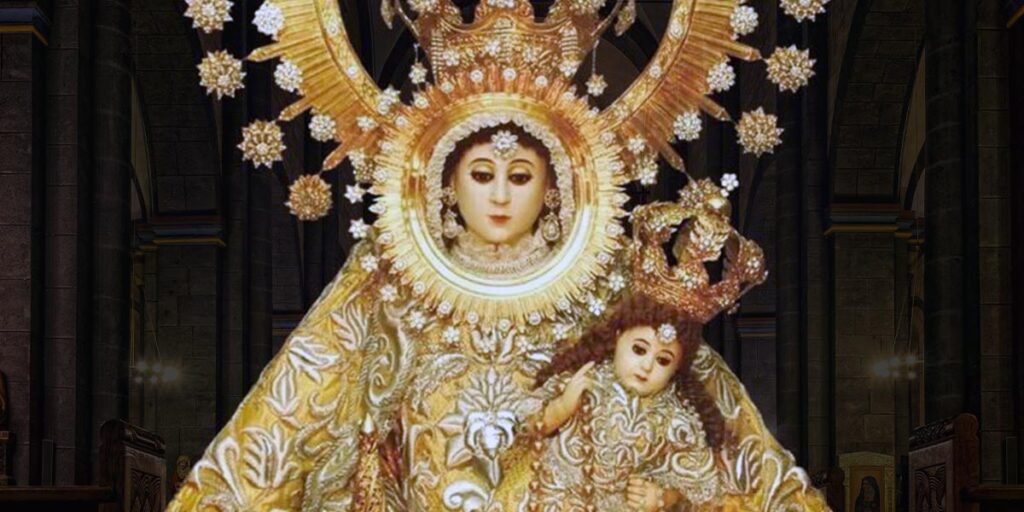
Seventy five years after the Miracle of the Rosary at the Battle of Lepanto in 1571, history will repeat itself in the East at the battle of La Naval de Manila in October 1646. Thanks to the Virgin of the Rosary, Manila and the rest of the Philippines were spared from these foreign invaders.
The Solemnity of Mary, the Mother of God
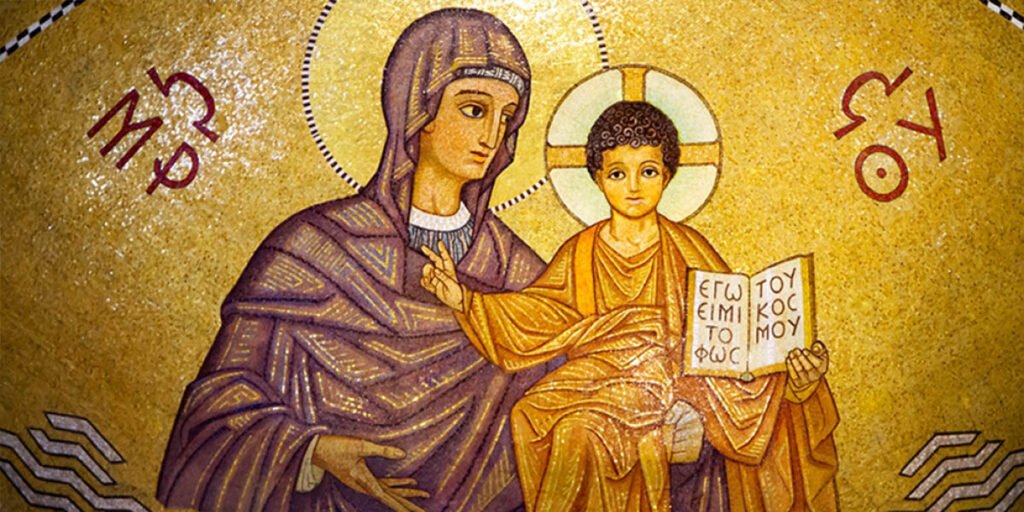
January 1st is celebrated as the liturgical feast of the Blessed Virgin Mary, which is the Octave of Christmas, an eight day extension of the feast. The honoring of Mary as the Mother of God can be traced back to the Council of Ephesus in 431. By the 7th century, January 1st was observed as a celebration of the Maternity of the Blessed Virgin Mary. In the 13th century, the Feast of the Circumcision of Christ had come to replace the feast honoring Mary.
The Perpetual Virginity of Mary
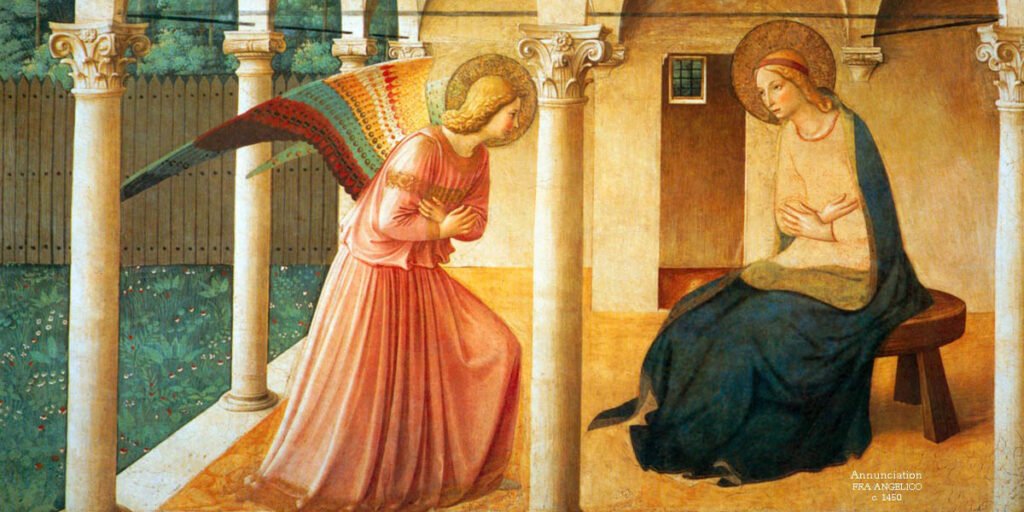
One of the most contested doctrines of the Catholic Church is Mary’s perpetual virginity. That Mary was a virgin before, during and after the birth of Jesus, a perpetual virgin, is a Marian dogma. In Luke, “The angel Gabriel was sent from God to a town of Galilee called Nazareth, to a virgin betrothed to a man named Joseph” (Lk 1:27).
Our Lady of Guadalupe
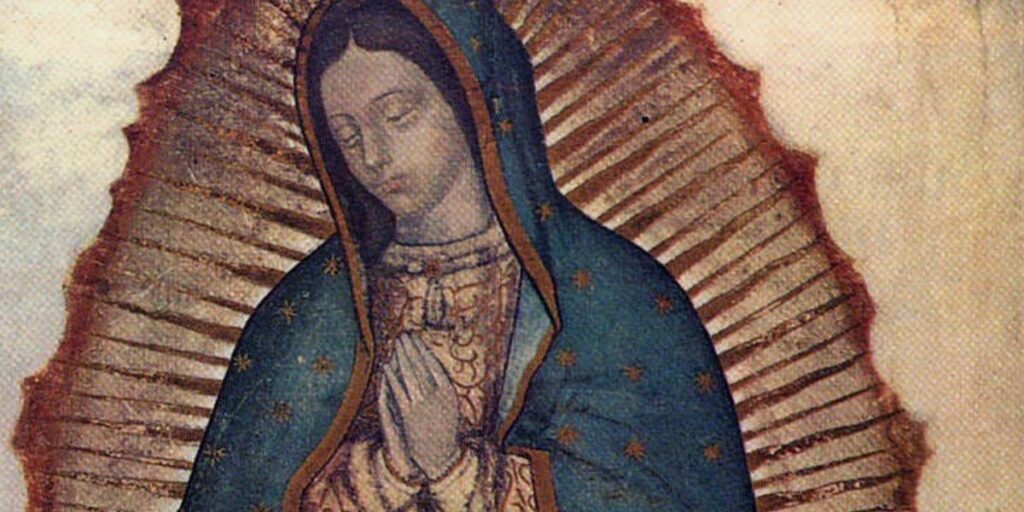
Our Lady of Guadalupe, also known as the Virgin of Guadalupe, is a Catholic title of the Blessed Virgin Mary associated with a series of five Marian apparitions. In an early morning of dawn in December 9, 1531, the Virgin Mother of God appeared to a native convert Saint Juan Diego
The Immaculate Conception
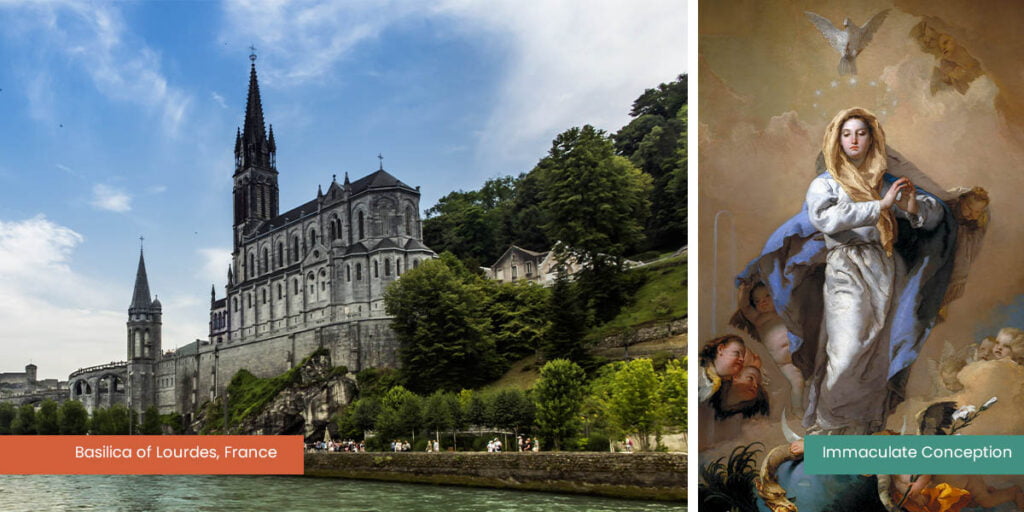
The 8th of December is a Catholic feast celebrating The Blessed Virgin Mary’s conception without sin. Even though this feast day occurs in the liturgical season of Advent, which prepares for the birth of Our Lord Jesus Christ, the Immaculate Conception refers to the conception of Mary in the womb of her mother, St. Anne.