
On the Fifth Century of Philippine Christianity
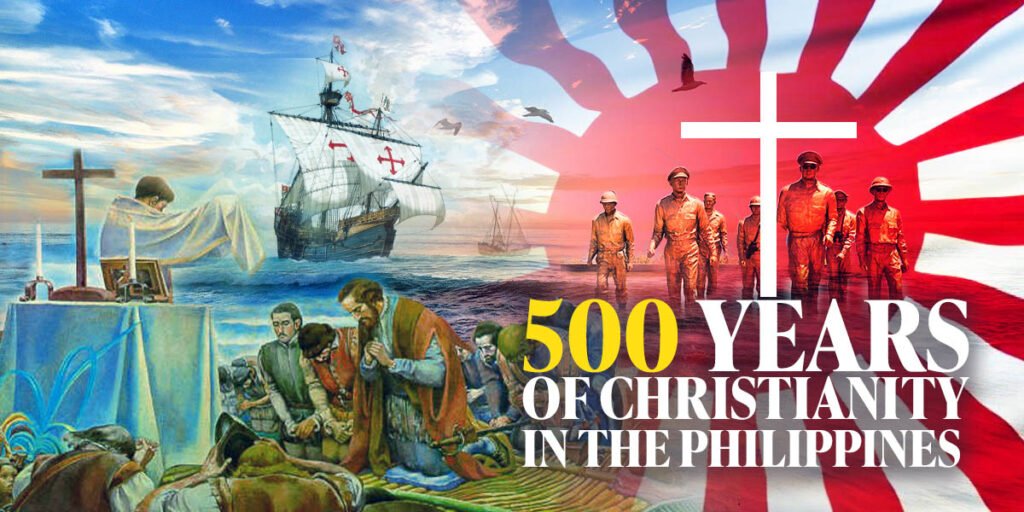
It was about five centuries ago when a sign of contradiction was transplanted in the islands. It was akin to the Byzantine sword brandished by Constantine the Great, whose cruel character as an emperor was transformed into a child Principe Constantino, to escort the representation of Santa Elena. At the same time if one holds the blade (kapit sa patalim), it was the cross of a faith that will triumph in the end.
The Significance of February 2
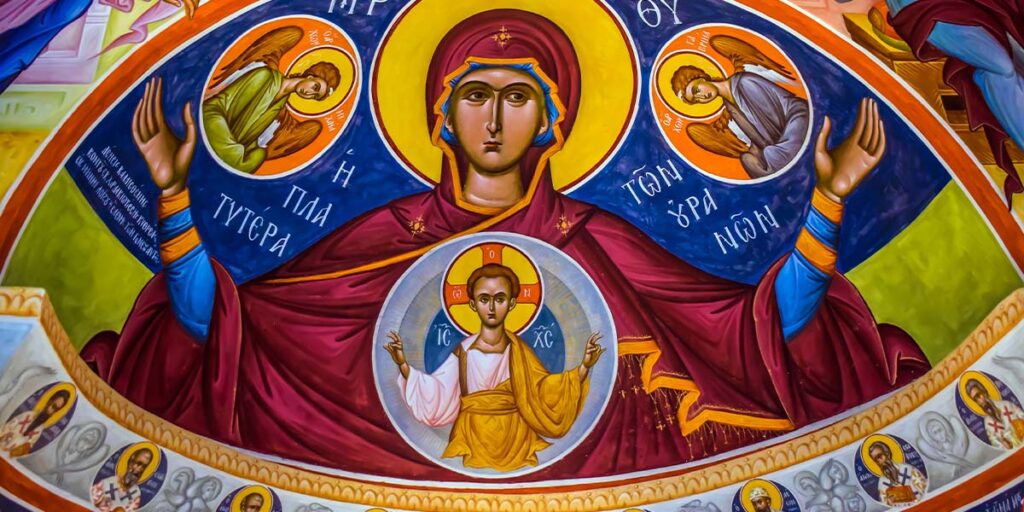
The feast of February 2 has different names in the Church. It has been called the Feast of the Presentation of the Lord, the Feast of the Purification of the Blessed Virgin Mary and, more familiarly, Candlemas or Candelaria. Each name highlights a different aspect of the feast that the Church celebrates, although is refers to the events that happened during the baby Jesus’ fortieth day.
Is the Traditional Mass still Valid?
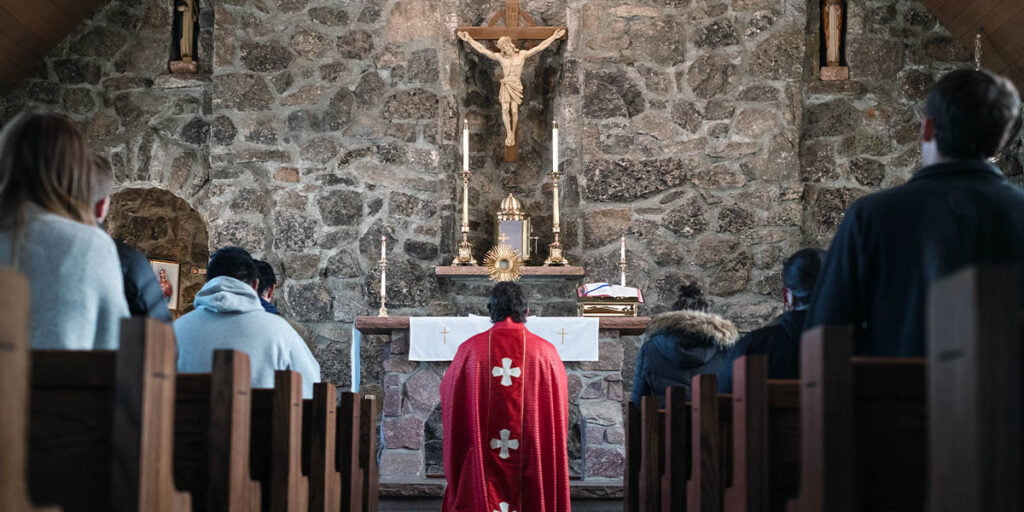
The Tridentine Mass, also known as the Traditional Latin Mass or Usus Antiquior, is the Roman Rite Mass of the Catholic Church.
The Traditional Mass was codified in year 1570 by Saint Pope Pius V after the Council of Trent, under the name of “Tridentine Mass”. This mass was the only version celebrated in the whole world until 1969.
The Institution of the Holy Mass
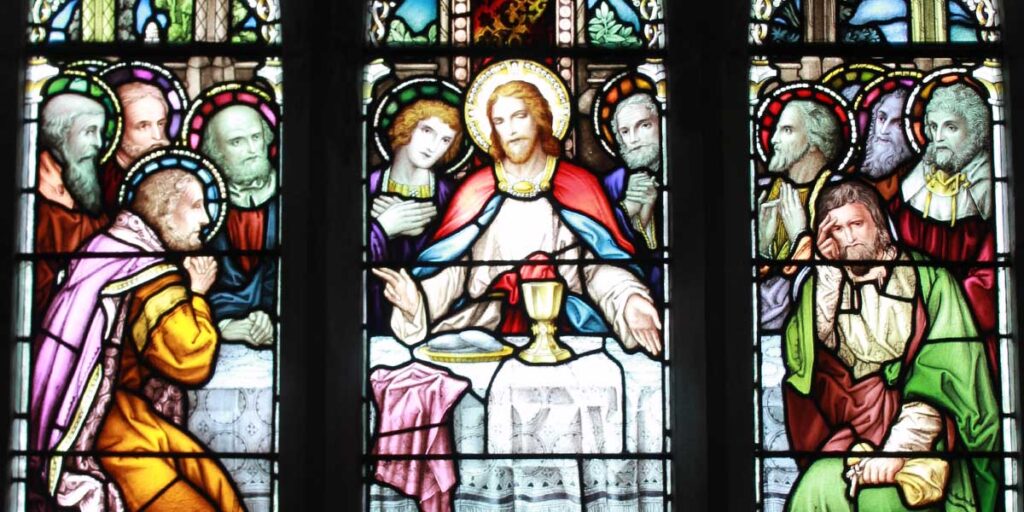
The first Mass was instituted by our Lord Jesus Christ himself at the Last Supper on the first Holy Thursday. The unbloody sacrifice of the Last Supper is a memorial of Christ’s bloody sacrifice on the cross. Thus, the mass is a unifying event of the Last Supper and Christ’s sacrifice on Calvary. Together with the mass, Christ also instituted the Sacrament of the Holy Eucharist, which is the bread and wine became His Body and Blood.
The Feast of Epiphany

The feast of Epiphany is traditionally celebrated on the 12th day after Christmas, January 6th. It commemorates the visit of the Three Wise Men (or Kings) to the Baby Jesus. Epiphany is mainly celebrated by Catholics and Orthodox Christians.