Defending the Sacred Tradition Part 3 – The Vatican II Council and Archbishop Lefebvre

Following Pope St. Pius V’s reformation in 1570, which is focused on Sacred Tradition, including the Holy Mass, the truth, and strengthening Catholic faith, there are no reforms in the following centuries. When modernism gradually infiltrated the church, causing some changes such as the Holy Mass, Pope St. Pius X fought the evil of modernism and restored everything to Christ. When St. Pius X died, modernists in the Catholic Church seized the opportunity to present their ideas to the Church, but they were unable to do so because the subsequent Popes also denied modernism. Then, in 1962, Pope John XXIII convened the Vatican II Council, which focuses on Modernism, the Liturgical Movement, and Ecumenism – a reunion with other Christian denominations such as the Protestants.
Defending the Sacred Tradition Part 2 – The Modernism and Pope St. Pius X

The Catholic Church has remained faithful to Sacred Scripture and Holy Tradition over the past centuries. In the 1500s, the Protestant Reformation occurred, and the Council of Trent was created in response. This council made a strong counter-reformation, which was strengthened by Pope Pius V by making the church more disciplined and uniting it by promulgating the Tridentine Mass. Then, over the course of the twentieth century, many things changed and the modern era arrived. That is where modernism comes into play.
Defending the Sacred Tradition Part 1 – St. Pius V and Martin Luther

After the Ascension of our Lord into Heaven and the Descent of the Holy Spirit upon our Lady and the Apostles, the Church has faced numerous challenges, including persecutions from the Jews, the Roman Empire and other pagan nations. The demon used it to destroy the Church from the outside. Yet he also attempted to destroy the Church from within. There have been prior attempts to wreak havoc on the Church. Including critiques of corruption by a Catholic priest named John Wycliffe. But it was until 1517, when Martin Luther, an Augustinian Friar who wrote his ninety-five theses protesting against the sale of indulgences, became the wick of the Protestant Reformation.
The Born-Again Christians

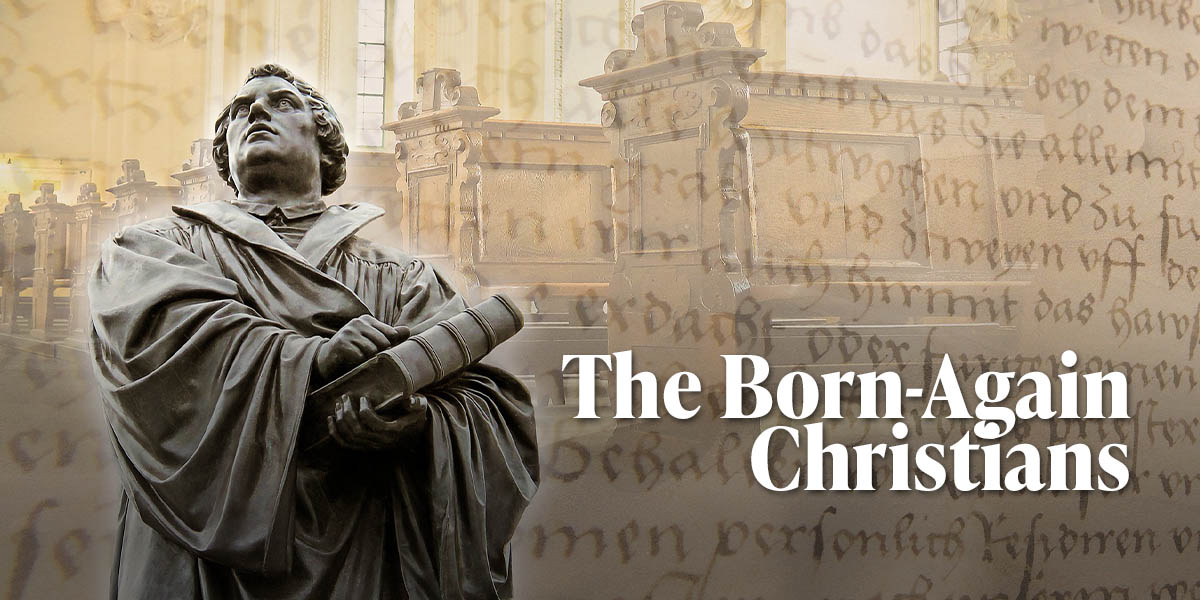
When Martin Luther left the church and started the protestant movement, a number of heretics created their own churches, in the belief that they built the true church of God. They left the one, true, apostolic and Catholic Church that our Lord Jesus Christ has founded. Some of them even copied the rites and doctrines of the Catholic Church. As years passed, the Church entered modern world and “modernism”, as Pope Pius X said, brought evil to the faith. Protestants fully embraced Modernism. The use of ballad and rock music can now be used in praying and in worship. Sharing of life experiences is very common within the group and you will be asked “Have you accept Christ as your personal savior yet?” This is the Born-Again Movement, also called Born Again Christians and Evangelical Protestantism.
The Catholic Charismatic Movement

During the previous century and before Vatican II, the protestant become popular to people because of their modern approach, as the Catholic Church remains faithful to Traditions. When Vatican II Council started, many changes occurred to the church including the Holy Mass which becomes similar to the Protestants. Because this is the solution of the Vatican II Popes when modernism spread to the whole world. Even though a reform happened to the Church, the protestants still have their way to attract more people to join their false religion. This is when the Born-Again Christians was born. More popular music genre in their worship such as ballad and rock, Bible Studies and no more sacrifice such as kneeling when worshipping God, you can just raise your hand and sing along with the music. Some modernist priest tried to bring this method to the church such a Mass in TV where there is dancing and clapping, but some wants to remain its solemnity. But some faithful including lay ministers saw the methods of the Born-Again, they build an organization or movement for Catholics with protestant approach. They were called Catholic Charismatic Movement or Catholic Charismatic Renewal.
The Council of Trent

When the false teachings of Martin Luther spread all over Europe, many faithful left the Catholic Church and started building their own church or joined some protestant churches according to their liking. This event led to Counter-Reformation by starting the Council of Trent.
The Protestant Reformation

Our Lord Jesus Christ built His church upon St. Peter, the first pope of the Church. When our Lord ascended into heaven after His death and resurrection, He chose St. Peter to lead the apostles in spreading the Good News to all nation with the help of the Holy Spirit, one of the Three Persons of the Holy Trinity. But in the next centuries until, many denominations claimed that they are the true church or true Christians and some of them spread that the Church that our Lord built was already dead. It all started because of the Protestant Reformation
The Poison Called Heresy

During the early centuries of Christianity, a number of false beliefs and ideas surfaced and attacked the Truth taught by Our Lord Jesus Christ and spread by the Apostles. An example of these false beliefs is the question on Christ’s Divinity, where some bishops and priests taught that Jesus is only man and not God. These teaching bore another heresy against the Marian Dogma of Theotokus or Mother of God, where they contested that the Blessed Virgin Mary is only the Mother of Christ and not the Mother of God. These myths and false doctrines poisoned the wells of Christian faith and deceived a number of faithful throughout the centuries. Even in today’s modern world, these false teachings are rehashed and continued to lead the flock astray from the Truth. We call these poisonous doctrines as Heresy.