
Third Secret of Fatima
Beginning this Yuletide season, Sanhedrin will bring you a new format which will tackle controversial issues regarding things that could affect the faith and fate of mankind. Borrowing from the Philippine cultural tradition of duplohan, balagtasan, and the like; Sanhedrin would like to be the site where opposing and similar ideas may be ventilated and rendered as: Scribe, Pharisee, Saducee and Zealot.
The Dogmas of the Virgin Mary Part Four – The Assumption
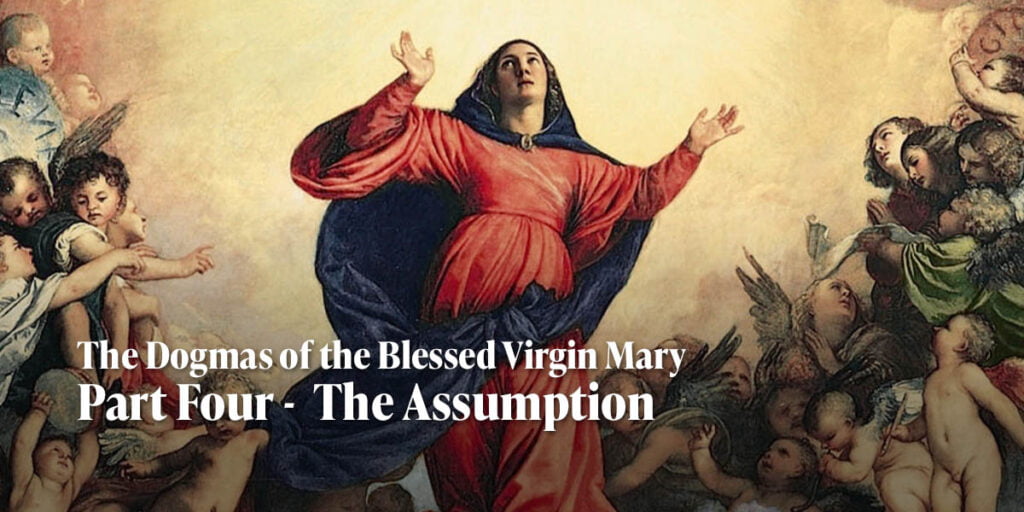
On November 1, 1950, at Saint Peter’s Square, Pope Pius XII declared the Munificentissimus Deus. The Munificentissimus Deus stated that the Immaculate Mother of God, the ever-Virgin Mary, was taken up both body and soul into Heaven when she completed her mortal life. That is what the Pope declared at that time. How come that the Assumption of the Virgin Mary occurred? The Bible does not state anything about the Assumption, so how come the Catholics have a dogma about it? Remember that Catholic Church’s teachings come from three sources: Tradition, Sacred Scriptures, and the Magisterium. The Assumption is not in the Sacred Scriptures.
The Fifteen Mysteries of the Holy Rosary
The Holy Rosary is one of the important devotions in the Catholic Church, second to the Holy Mass. The Holy Rosary was given and taught by the Blessed Virgin Mary when she appeared to St. Dominic de Guzman who was fighting the Albigensian Heresy that time. The Holy Rosary was only prayed by the Dominicans before Pope St. Pius V instituted the official devotion to the Holy Rosary on 1569.
The Victories of the Blessed Virgin Mary
The Catholic Church has a deep devotion to the Mother of our Lord, the Blessed Virgin Mary. According to the sister Lucia, one of the three seers of Fatima, the Blessed Virgin Mary told her that God gives two last remedies to the world, the Holy Rosary and the Devotion to the Immaculate Heart of Mary, as she also said “In the end my Immaculate Heart will triumph”. The Blessed Virgin Mary already had victories in the past centuries with her Most Holy Rosary. Let us take a look at some of them.
The Dogmas of the Blessed Virgin Mary Part Four – The Assumption
On November 1, 1950, at Saint Peter’s Square, Pope Pius XII declared the Munificentissimus Deus. The Munificentissimus Deus stated that the Immaculate Mother of God, the ever-Virgin Mary, was taken up both body and soul into Heaven when she completed her mortal life. That is what the Pope declared at that time. How come that the Assumption of the Virgin Mary occurred? The Bible does not state anything about the Assumption, so how come the Catholics have a dogma about it? Remember that Catholic Church’s teachings come from three sources: Tradition, Sacred Scriptures, and the Magisterium. The Assumption is not in the Sacred Scriptures.
Our Lady of Lourdes And The Rosary
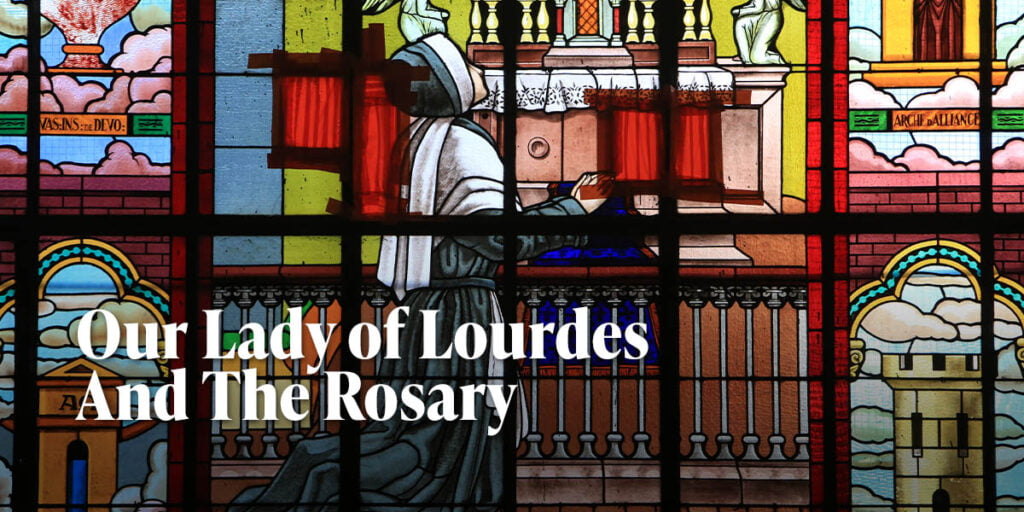
The Blessed Virgin Mary is well-known for her apparitions in different places of the world. Some of her apparitions were accompanied by the praying of the Holy Rosary. One of her popular apparitions is in Lourdes France, where the Blessed Virgin Mary appeared to Saint Bernadette of Soubirous.
The Dogmas of the Blessed Virgin Mary Part Three – Immaculate Conception
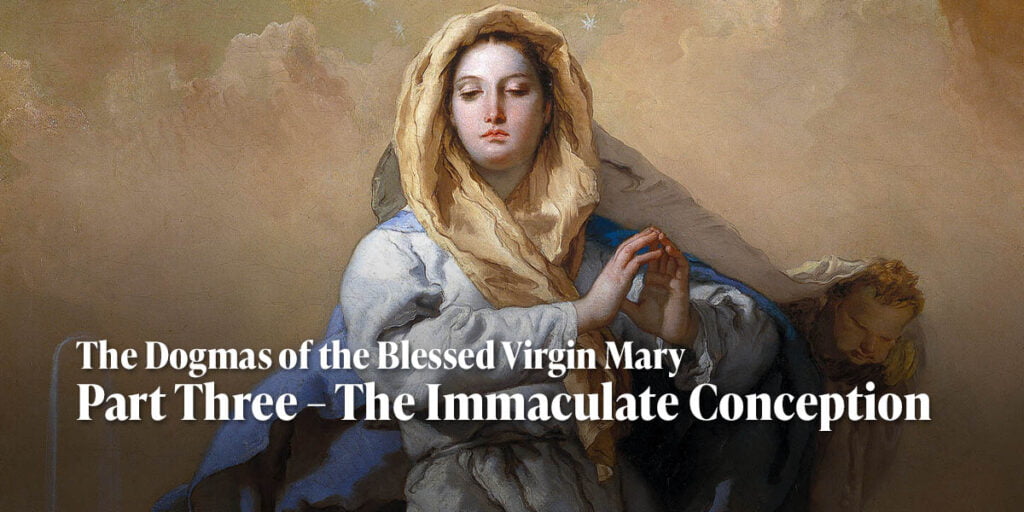
As with her lifetime virginity, this is also a special grace and privilege -the Immaculate Conception – just like her Divine Motherhood. Again the Mother of God cannot be under Satan’s power. Therefore she was conceived without the stain of original sin on her soul. That is why we see the Blessed Mother and our Lord in their immaculate perfection as the new Adam and New Eve. Pope Pius IX announced his Ineffabilis Deus about the Dogma on the 8th of December, 1854.
He stated: we declare, pronounce, and define the doctrine that proclaims the Blessed Virgin Mary in the first period of her conception, through the single grace and privilege given by God and the merits of the Lord Jesus Christ the Savior of Mankind, is preserved free from all stains of the original sin.
St. Bernadette and the Immaculate Conception
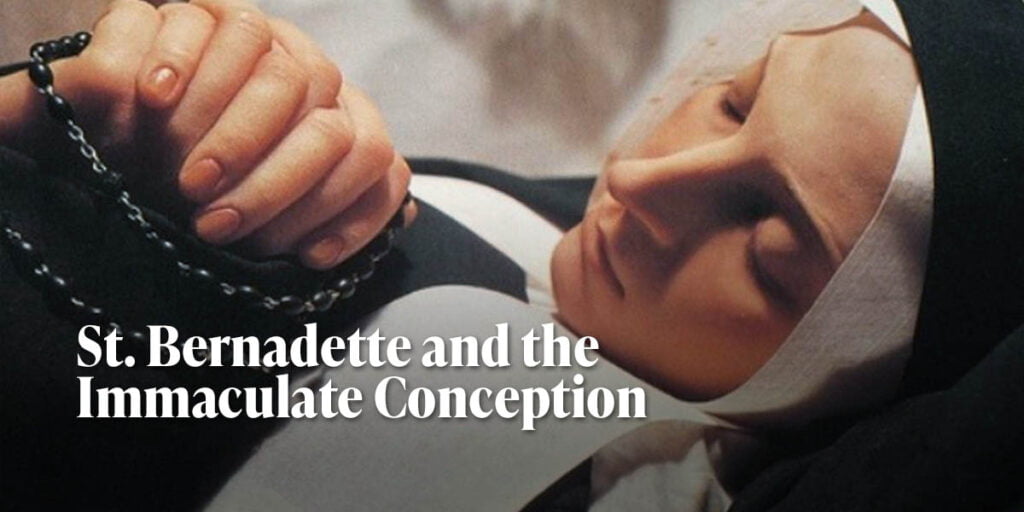
Saint Bernadette was a daughter of a former miller. Saint Bernadette’s Family was so poor and forced to live in a former prison in Lourdes, France. Compared to her siblings and children with the same age, she was unhealthy. When she was an infant, she was infected by Cholera and she also had an asthma. Her unhealthy body hindered her to attend school that resulted to her lack of education. She also had a little knowledge about the Catholic Faith.
The Seven Sorrows of Mater Dolorosa
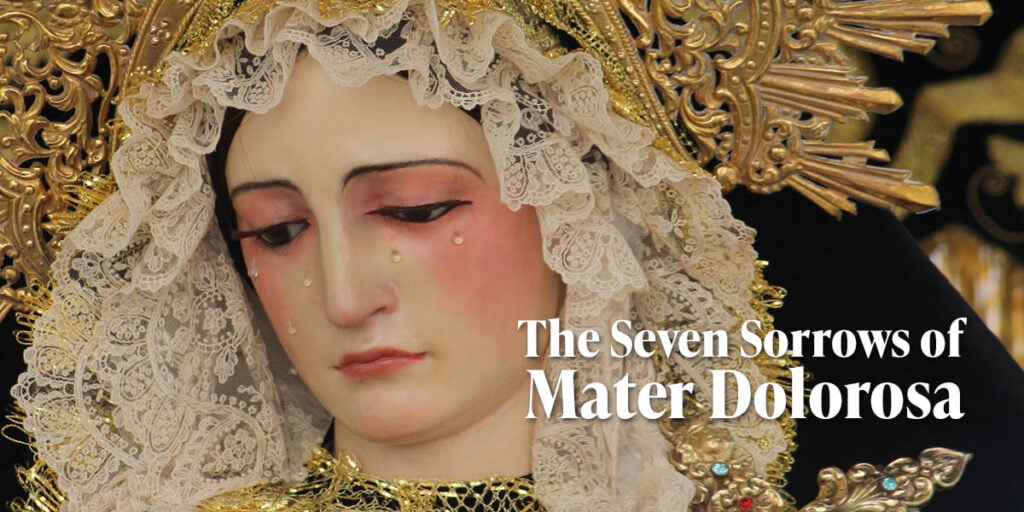
As a Marian devotee, we’ve seen images of Mary with seven daggers pierced to her Immaculate Heart. The Mater Dolorosa as we call her reminds us of the sorrowful journey of the Mother of God. Mary more than anyone in the world truly understood God’s plan to send Jesus, His son for the salvation of mankind. When she received from Archangel St. Gabriel the message of God, “Hail, full of grace, the Lord is with you.” The Blessed Virgin was filled with divine wisdom and grace to comprehend and brave the path they both have to cross. A prophecy mentioned by Prophet Simeon when baby jesus was presented at the temple: And Simeon blessed them, and said to Mary his mother: Behold this child is set for the fall, and for the resurrection of many in Israel, and for a sign which shall be contradicted; And thy own soul a sword shall pierce, that, out of many hearts, thoughts may be revealed (Luke 2:34-35 Douay-Rheims Bible).
Mary and the Ark of the Covenant
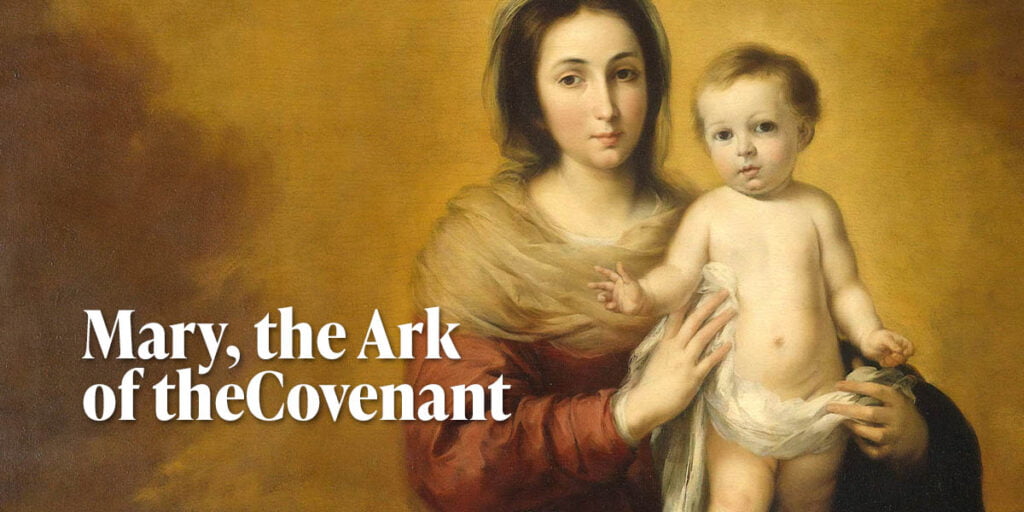
The Blessed Virgin Mary, the mother of our Lord Jesus Christ, our Queen and also our mother. She is the most popular woman in the whole world and also a controversial person for the other people like the Protestants. She has many titles and we often encounter it when we pray her Litany. One of those is the “Ark of the Covenant”, which gave confusion to others. For years, a number of archaeologists and historians were looking for the Ark and some people even claimed that they have found it or have it. Here we will discuss why she was called the “Ark of the Covenant”.
The Dogmas of the Blessed Virgin Mary Part Two – Aeiphartenos
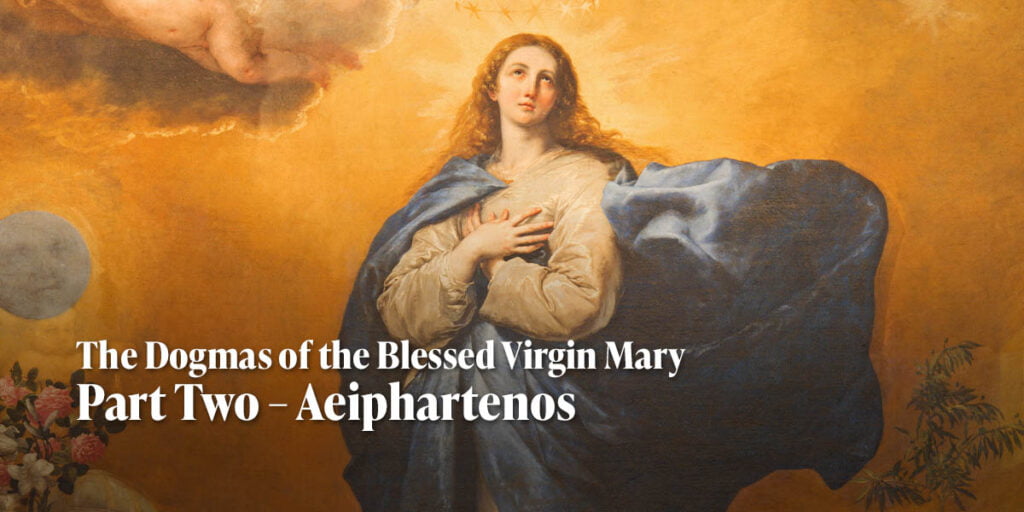
The second dogma about the Blessed Virgin is her Perpetual Virginity. What does this dogma say? According to the Lateran Council of 649 AD, Pope Martin I pronounced the Blessed Ever-Virgin and chaste Mary conceived by the Holy Spirit’s help and did not lose her integrity. She gave birth to Christ, and after giving birth to Christ remained a Virgin. The Perpetual Virgin is called Aeiphartenos. This dogma says that the Blessed Virgin is a virgin before, during, and after the birth of the Lord.
Mary, Our Eternal Queen
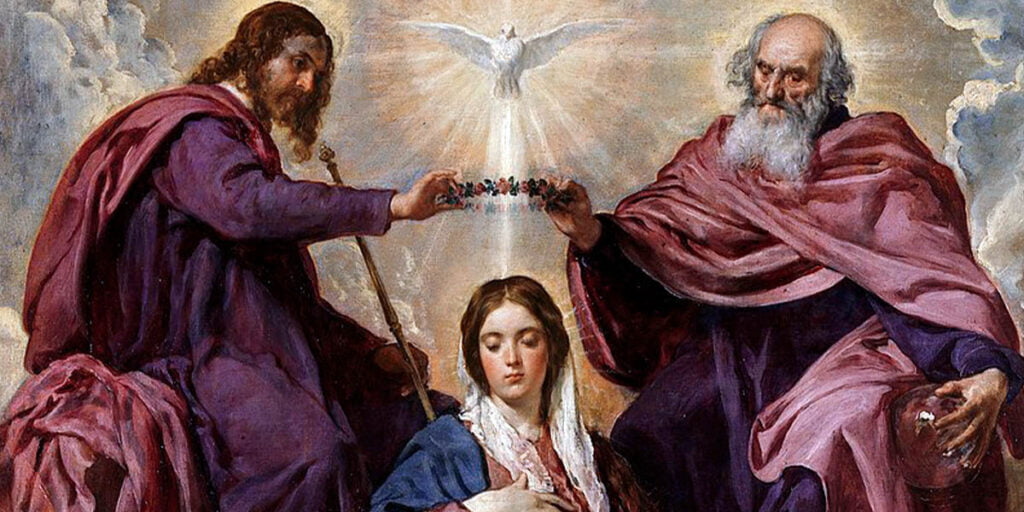
Catholics call her Our Mother, the Blessed Virgin, the Cause of Our Joy, Mother Most Powerful, Mother of Our Savior and many others. We know for certain that she is the woman clothed with the sun mentioned in the book of revelation. We all have this special attachment as Christians to her for our faith and God’s spirit guides us that Mary is our Mother and queen.